Low cortisol aim or high sensitivity flicking is better for Valorant consistency
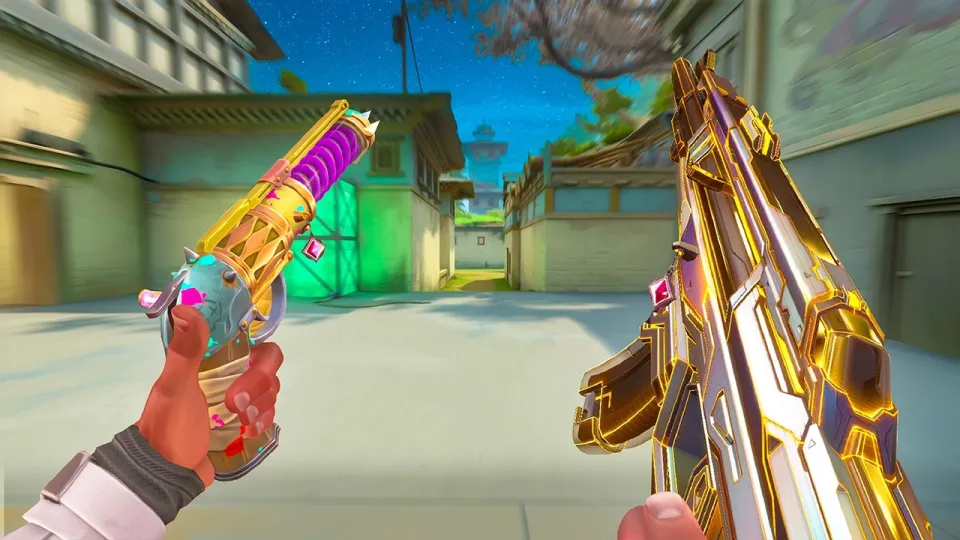
Video: low cortisol aim..
Want articles like this for your own video to promote it on YouTube and Google? Order them through the Telegram bot @sat_sit_bot. Articles with your video embedded are written and posted by the bot itself — on popular topical sites (no ads). Free trial — 50 articles.
· based on the channel Rawzu
Key takeaways
- Rawzu runs 400 DPI with 0.625 in-game sensitivity, an effective eDPI of 250
- Resolution 1440x1080 stretched, crosshair code 1-6-2-2, Zowie XL2566K at 360Hz
- Mouse: Logitech G Pro X Superlight 2 on an Artisan Zero Soft pad
- Phoenix kit: Blaze wall, Curveball flash, Hot Hands molly and Run it Back ultimate
- Calm aim means micro-corrections and pre-placed crosshair instead of fast flicks
For Valorant, low cortisol aim beats high-sensitivity flicking because a calm, repeatable crosshair placement removes the variance that fast flicks introduce. Rawzu's own setup proves the point: 400 DPI at 0.625 in-game sensitivity is an effective eDPI of 250, which is on the low end for a duelist player and still fast enough to clear angles on Phoenix. If you want to copy the environment behind that calm aim, you can optimize your PC for Valorant before you touch your sensitivity.
The phrase in the video title is not a medical claim, it is a description of a style: low-stimulation, low-flick aiming where the crosshair is already where the enemy will appear. That style is what makes the clips feel slow and controlled even when the player is pushing into a site with a flash.
What low cortisol aim actually means in Valorant
Low cortisol aim is a Valorant aiming philosophy built on pre-aim, micro-correction and steady hand speed rather than explosive wrist flicks. The idea is that most duels are won before the shot: if the crosshair sits at head height on the right angle, the mouse only travels a few pixels. Rawzu's gameplay leans on this — the movement looks relaxed, the kills look almost accidental, and the viewer comments keep calling out the movement as much as the aim.
Three habits define the style:
- Crosshair height is fixed at head level before the peek, not adjusted after the enemy appears.
- Sensitivity is low enough that a small wrist movement equals a small crosshair movement, so overshoot is rare.
- The player stops moving before shooting, so the first bullet lands where the crosshair already was.
That is also why the calm style reads as "satisfying" on video: there is no wasted motion to hide the result.
Rawzu's exact Valorant settings and peripherals
Rawzu's Valorant settings are 400 DPI, 0.625 in-game sensitivity, 1440x1080 resolution and crosshair 1-6-2-2, played on a Logitech G Pro X Superlight 2 with an Artisan Zero Soft mousepad. The monitor is a Zowie XL2566K running at 360Hz. Every one of those numbers supports the low-variance approach rather than a flick-heavy one.
- Sensitivity: 400 DPI / 0.625 (250 eDPI)
- Resolution: 1440x1080, a stretched 4:3 format that widens targets
- Crosshair: 1-6-2-2
- Mouse: Logitech G Pro X Superlight 2
- Mousepad: Artisan Zero Soft, a control-leaning cloth pad
- Monitor: Zowie XL2566K at 360Hz
A control pad plus a low eDPI is a deliberate pairing: the pad adds stopping friction, the sensitivity keeps the travel short. Together they shrink the correction the hand has to make in the last few milliseconds of a duel.
How Phoenix rewards a calm aim style
Phoenix is an offensive duelist whose kit removes the need for a risky first flick. Curveball blinds enemies even when they are tucked behind corners, Blaze cuts vision and damages anyone who crosses it, and Hot Hands adds area denial plus self-heal. Run it Back gives a second life, which means a Phoenix player can take a duel, lose it, and re-enter with the crosshair already reset.
The practical order of operations for a calm Phoenix entry looks like this:
- Place Blaze to split the site and block the long sightline.
- Send Curveball around the corner so defenders cannot hold the angle.
- Pre-aim the most likely swing spot at head height and walk in behind the flash.
- Use Hot Hands on the plant or the retake choke rather than as a random molly.
- Hold Run it Back for the second entry, not the first, so the ultimate buys a real reset.
Because the flash does the vision work, the aim only has to cover a short, known distance. That is the whole argument for low cortisol aim on this agent.
Why viewers keep asking about the movement and the audio
The most common reactions to this kind of Valorant clip are about movement, sudden sounds and unexpected positions rather than about raw aim. Viewers notice counter-strafing that looks smoother than their own, an enemy appearing where nobody expected, and moments that are loud enough to be startling on speakers. Those questions are worth answering directly, because they are the same things that separate a calm player from a fast one.
- Movement: the calm look comes from stopping fully before each shot. Counter-strafe, shoot, re-strafe. The mouse never has to compensate for momentum.
- Unexpected angles: pre-aim plus a flash means the player is already looking at the off-angle before the defender commits to it.
- Audio: a headset at moderate volume with in-game effects lowered relative to footsteps keeps sudden ability sounds from drowning out info.
- "How is that guy already there": that is usually a timing read off the first contact or a Rotate triggered by the Blaze wall, not a lucky flank.
None of these require a 360Hz panel or a premium mouse, though both reduce the noise between intent and result.
How to build a low cortisol Valorant routine
You can train calm aim in Valorant with a short, repeatable routine that prioritizes crosshair placement over flick speed. The goal is not to become slow, it is to make the fast shots unnecessary.
- Set a sensitivity you can control: many duelist players land between 200 and 300 eDPI. Rawzu's 250 is a reasonable midpoint.
- Warm up on head-height tracking for five minutes in the range, walking between targets without shooting.
- Play one deathmatch where you only take duels you pre-aimed. No panic flicks, no wide swings.
- Review the deaths where you moved while shooting; those are the ones that break the calm style.
- Keep the same mousepad and grip for weeks. Changing friction resets your muscle memory.
Frame rate matters here too. Stable, high FPS keeps the crosshair where you left it during a fight, and the Hone optimization page is the link Rawzu puts under his own clips for exactly that reason.
Useful links from the video
- PC optimization for Valorant: https://hone.gg/a/rawzu
- Rawzu's original music on Spotify: https://open.spotify.com/artist/6DbATPR1PTNMx7U918bg1Q
- Rawzu's Discord community: https://discord.gg/axnFwyvxp3
The verdict on calm aim versus flick aim
Low cortisol aim is the better default for most Valorant players because it converts a chaotic duel into a short, predictable mouse movement, and Rawzu's 250 eDPI Phoenix gameplay is a clean demonstration of that trade. Flick aim still wins rounds, but it wins them on top of good placement, not instead of it. Copy the settings, copy the pre-aim habit, and keep the movement quiet. If you want the same stable environment the clips were recorded in, start with the Valorant PC optimization link before you change anything else. This breakdown was built around the Rawzu channel and the low cortisol aim clip he published on 14.10.2026.
Source: low cortisol aim.. · Markdown version
Questions & answers
What sensitivity does Rawzu use in Valorant?
Rawzu plays at 400 DPI with 0.625 in-game sensitivity, which works out to 250 eDPI. He pairs it with a 1440x1080 resolution, crosshair 1-6-2-2, a Logitech G Pro X Superlight 2 and an Artisan Zero Soft mousepad.
Is low sensitivity actually better for Valorant?
For most players, yes, because it reduces overshoot and makes crosshair placement repeatable. It is not a rule: very high-level flick players use higher eDPI, but they already have precise placement underneath. A range of 200 to 300 eDPI is a safe starting point for a duelist.
Why does calm aim look so smooth in these clips?
The smoothness comes from movement discipline, not from a special mouse. The player stops before shooting, pre-aims head height, and lets utility like Phoenix's Curveball do the vision work, so the mouse only travels a short distance per duel.
Does a 360Hz monitor or a premium mousepad make a difference?
They reduce the delay between what you see and what you do, which helps consistency, but they do not create aim. A control pad like the Artisan Zero Soft and a stable, high frame rate matter more than the refresh rate number alone.